THE CYCLE
Four movements of a piston
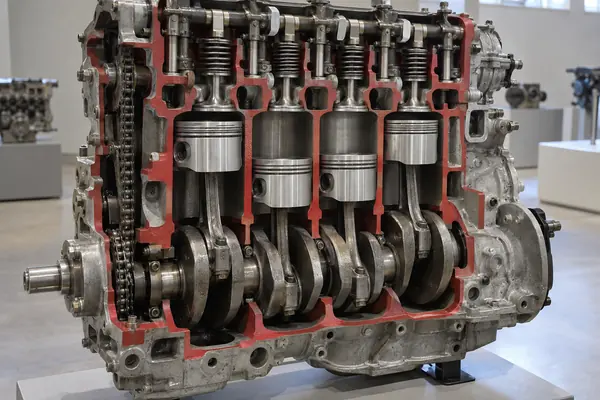
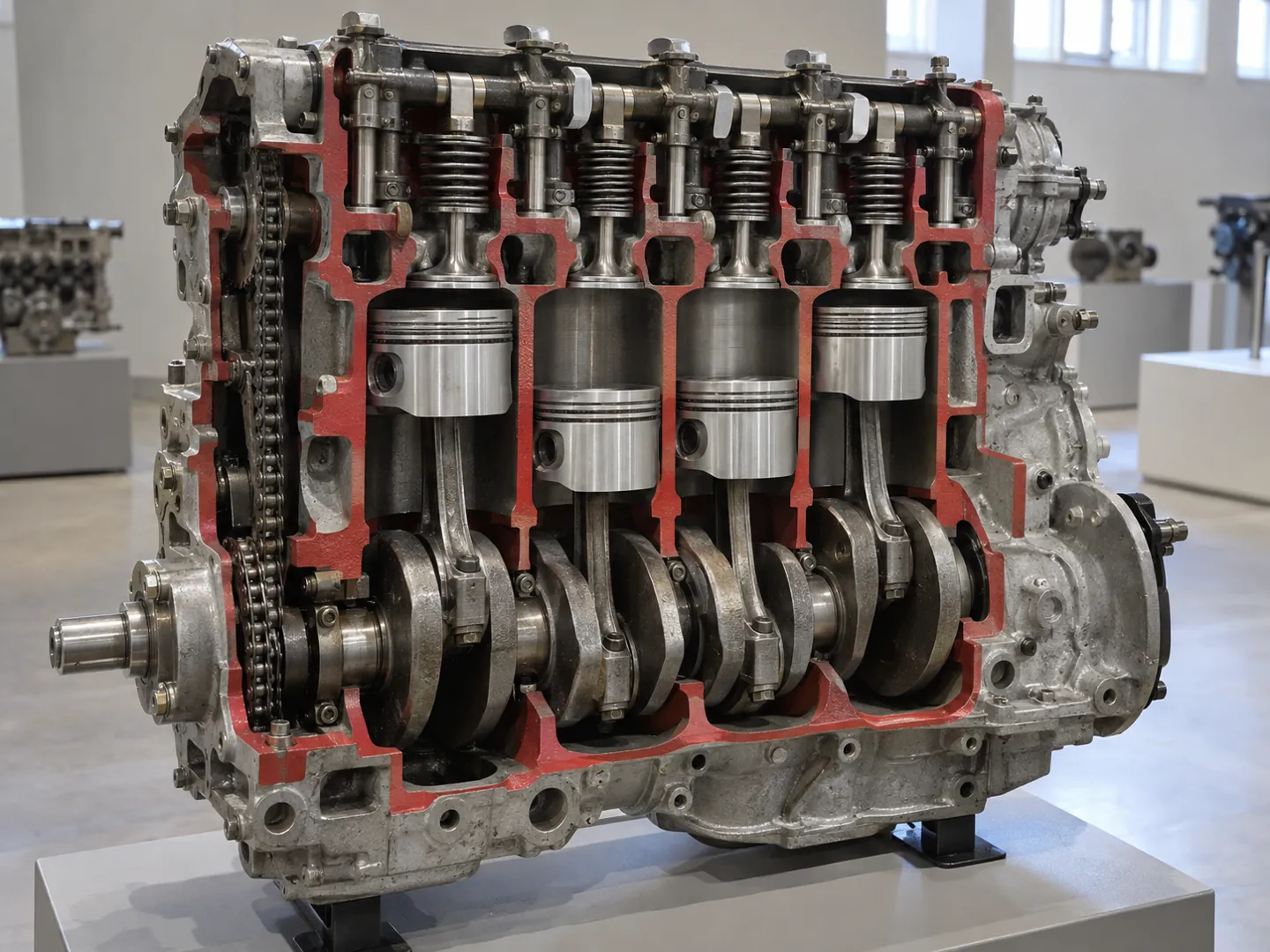
NASA describes the cycle as intake, compression, power and exhaust. In the power stroke, hot burning gas pushes the piston and turns the crankshaft.
Step through it doodleengine.
HOW IT WORKS
A petrol engine repeats one simple loop, over and over.
Draw in fuel and air, squeeze it, ignite it, push the spent gas out. Nikolaus Otto built the first four-stroke engine in 1876, and the idea of compressing before igniting is still in every combustion engine today.
Step through it Read the short answer
THE SHORT ANSWER
Fuel holds energy as chemistry.
The engine turns a small explosion into a turning shaft.
THE CYCLE
NASA describes the cycle as intake, compression, power and exhaust. In the power stroke, hot burning gas pushes the piston and turns the crankshaft.
Step through itTHE SPARK
A petrol engine uses a spark plug to light the fuel and air. A diesel uses compression ignition instead, with no spark.
What else is in thereEFFICIENCY
The US Department of Energy says petrol cars turn about 12 to 30 percent of the fuel's energy into power at the wheels. Electric cars do far better.
See the numbersSTEP THROUGH THE CYCLE
Pick a stroke to see what happens inside one cylinder. The bar shows how high the pressure is in the cylinder at that point.
Based on NASA Glenn Research Center's explanation of the four-stroke internal combustion engine.
TWO NUMBERS WORTH KNOWING
How much of the energy you pay for
ends up turning the wheels.
PETROL CARS · US DOE
Fuel energy that reaches the wheels
12–30<small>%</small>
FuelEconomy.gov says conventional petrol vehicles convert only about 12 to 30 percent of the energy in petrol to power at the wheels.
ELECTRIC CARS · US DOE
Grid energy that reaches the wheels
77<small>%+</small>
The same source says electric vehicles convert over 77 percent of the electrical energy from the grid to power at the wheels.
The US Alternative Fuels Data Center puts the average at about 20 percent for petrol cars, with the rest lost largely to engine inefficiencies, parasitic loads such as water pumps and alternators, and drivetrain friction.
FROM TANK TO TYRE
The four strokes are the heart of it, but a petrol car needs a team of parts around the engine to get power to the road.
THE ELECTRIC ALTERNATIVE
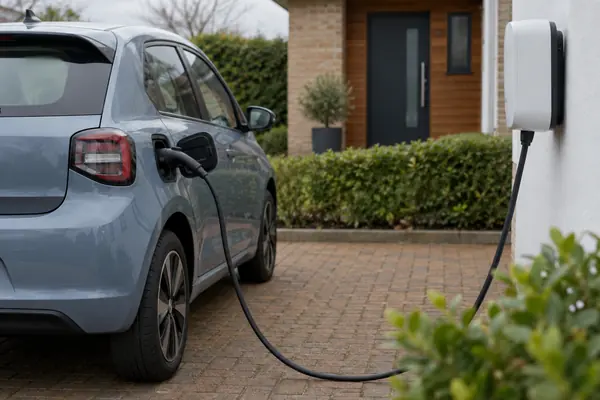
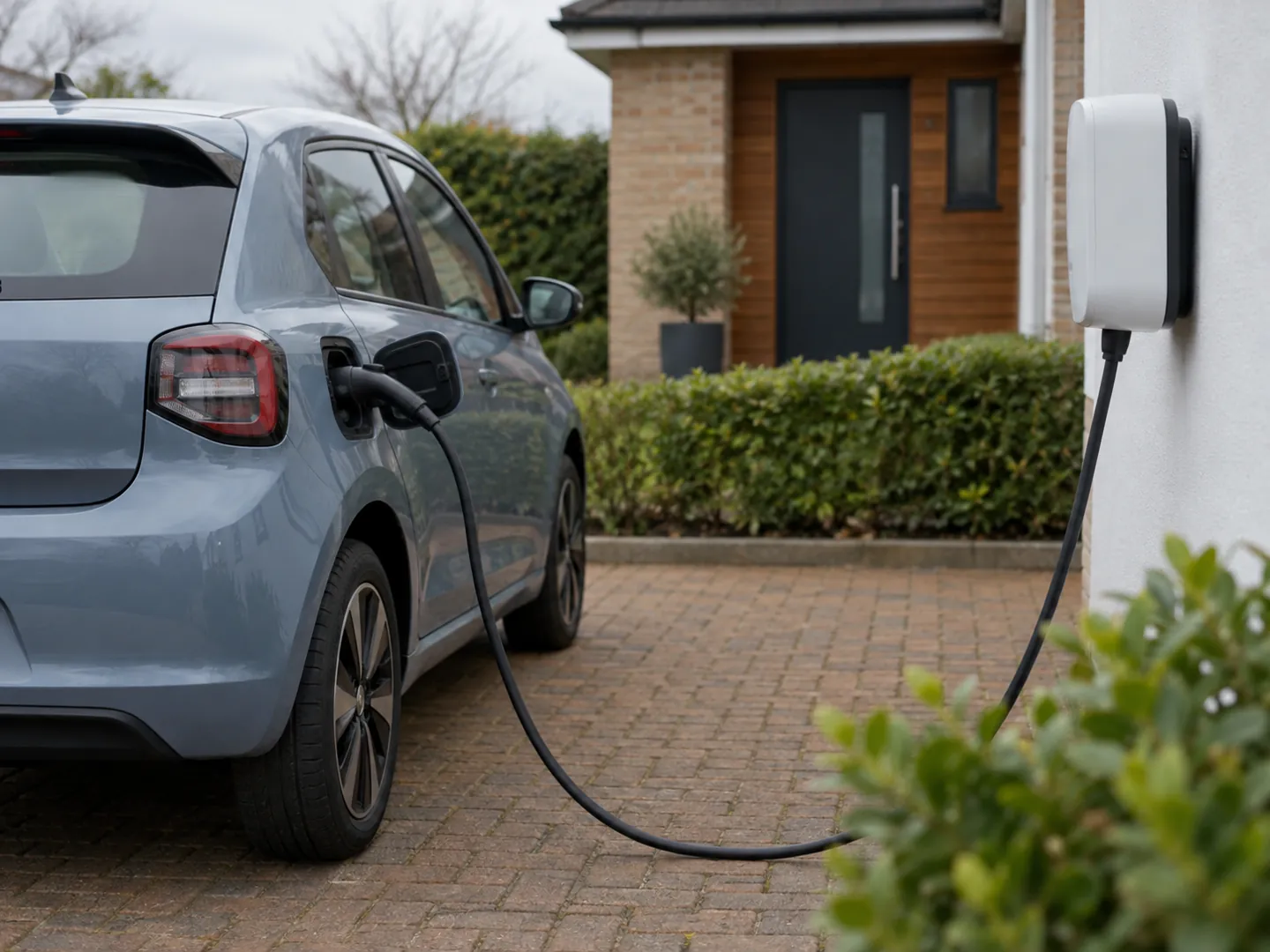
A battery electric car has no combustion engine at all. A traction battery feeds an electric motor that drives the wheels, and a power electronics controller sets the motor's speed and torque.
With no fuel burned, there is no tailpipe exhaust and no fuel tank, pump or line. The US Department of Energy says these cars turn over 77 percent of the electricity from the grid into power at the wheels.
QUESTIONS PEOPLE ASK
The Science Museum Group credits German engineer Nikolaus August Otto with building the first four-stroke engine in 1876. A working replica built in Manchester in 1982 is held at the Science and Industry Museum.
NASA explains that the piston makes four movements, or strokes, before the firing sequence repeats: intake, compression, power and exhaust.
Petrol engines are spark-ignited: a spark plug lights the fuel and air. Diesel engines use compression ignition instead.
The Science Museum Group notes that compressing fuel and air before igniting it was the key to Otto's engine, and that the principle is still used in all present-day internal combustion engines.
At the wheels, yes. FuelEconomy.gov says electric cars convert over 77 percent of grid energy to power at the wheels, against about 12 to 30 percent of petrol's energy for conventional cars.
SOURCES
Each figure on this page comes from the sources below. Check them for the full detail and context.